

Licence needed
Nursing
This is most of our healthcare work. Ward nurses, yes, but ICU and OT requests come in every week.
MEA licensed overseas recruitment agency in Lucknow
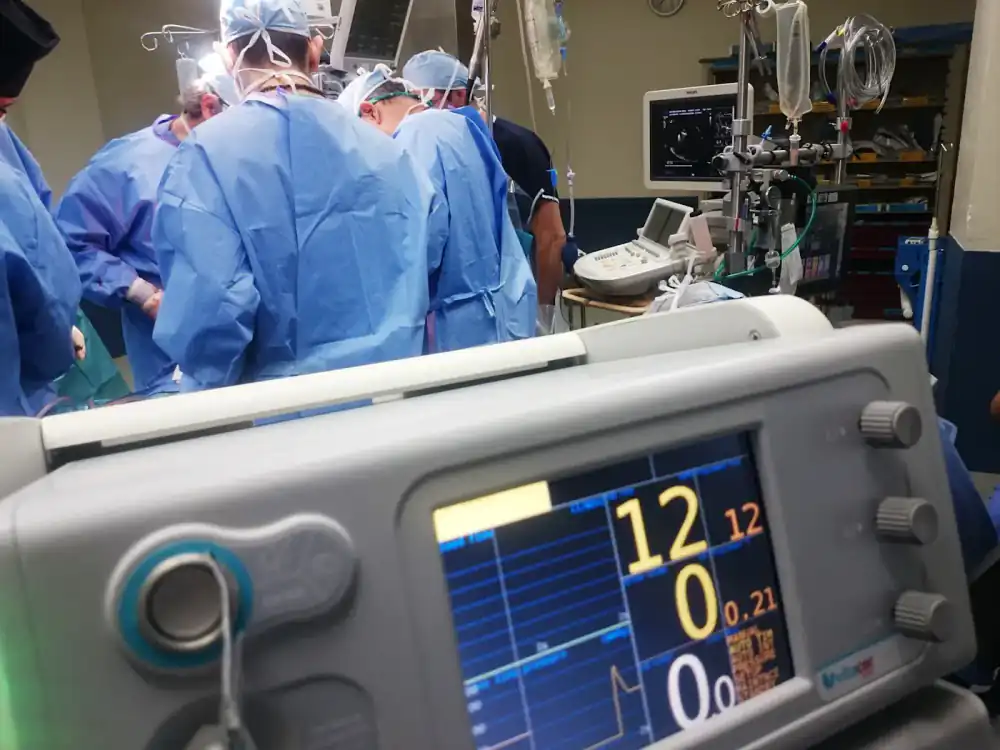
When a nursing post stays empty, the rest of the ward covers it with longer shifts, and sometimes beds have to close. We recruit nurses and other clinical staff from India for Gulf hospitals. And we get the licensing started in week one, because that's what usually holds things up.

Overview
Mainly nurses. We also place lab and imaging staff, pharmacists and patient care assistants, for hospitals and clinics across the six GCC countries.
We're an MEA licensed agency in Lucknow. Besides finding candidates, we walk them through document verification and the licensing exam. Hospitals pay our fee and candidates pay nothing.
The slow part
Hiring a mason is simple by comparison. You test them, and if they're good, they go. A nurse can be excellent at the job and still be months away from starting in Riyadh, because the regulator wants every document proven first.
The regulator contacts the nurse's college and council, plus every hospital on the CV. Then there's an exam to pass. If one letter is missing, the file just sits there, and often nobody notices for weeks.
So we start early. The day someone is shortlisted, we begin collecting papers. By the time you pick your final candidates, the slow part is well underway.
Roles
Mostly nurses, as you'd expect. But we fill a good number of other roles as well.
This is most of our healthcare work. Ward nurses, yes, but ICU and OT requests come in every week.
Lab, imaging and therapy staff. Fewer orders than nursing, though they're steady.
We get these requests from hospital pharmacies and from retail chains in about equal measure.
No licence involved here. We still look for people who are kind and patient, because the job needs it.
Reception, coding and billing. Good English matters a lot for these roles.
Licensing
Each country does it slightly differently. In broad terms, though, it goes like this.
We collect the degree, the transcripts, the council registration and an experience letter for every job on the CV. If a year is missing, we ask about it straight away.
The health authority then contacts the college, the council and each old hospital to confirm the papers are real. Most Gulf regulators use DataFlow for this.
Next comes the exam, which most nurses take at a Prometric centre in India. We tell them which syllabus to study and where to find practice papers.
Pass both and the authority confirms they're eligible. The actual licence normally comes through after the hospital finishes its own paperwork.
Every country has its own regulator. In the UAE, which one applies depends on the emirate.
 Saudi Arabia
Saudi Commission for Health Specialties
 UAE
DHA in Dubai, DOH in Abu Dhabi, MOHAP for the other emirates
 Qatar
Ministry of Public Health, Department of Healthcare Professions
 Kuwait
 Ministry of Health
 Oman
Ministry of Health, with exams through the Oman Medical Specialty Board
 Bahrain
National Health Regulatory Authority
Rules change now and then, so we check the current requirements on every order.
Screening
All of this happens before you see a single CV from us.
Is the nursing or pharmacy council registration genuine, and is it still valid? We check before anything else.
Every job on the CV needs a letter. In our experience, one missing year causes more stuck files than anything else.
We ask about real ward situations. For example, what would you do if a patient's oxygen dropped at 3 in the morning? You learn a lot from how people answer.
Gulf hospitals work in English. So we make sure a candidate can explain things to a doctor, and to a worried family member too.

Candidate view
Good nurses often have two offers on the table. Clear answers to these questions can tip it your way.
Nearly every nurse asks this first. If you pay for it or refund it later, say so in the offer letter.
Twelve hours or eight? Rotating or fixed nights? Nurses want to know before they sign anything.
Most hospitals give housing. Nurses will ask whether rooms are shared and how long the commute is.
Senior nurses often hope to bring their family over after a year or so. If your package allows it, tell them.
For hospitals
The hospitals that got their nurses fastest usually did these things.
Just writing "nurse" doesn't help us much. An ICU nurse and a dialysis nurse are really different hires.
Regulators usually want around two years after registration. If your unit needs five, tell us at the start.
Allow us to start verification as soon as someone is shortlisted. That one change can save you several weeks.
Your head nurse doesn't need to travel. We set up video calls and sort out the timing.
You send the roles and we shortlist. After your clinical team interviews, licensing and the visa run side by side. For other professional roles, have a look at skilled manpower.
FAQ
Can't find your answer here? Write to us and we'll reply within 24 hours.
Tell us the roles and the department. We'll reply within a day with a realistic plan, licensing included.
hr@kdahiring.comYes. Nursing is the biggest part of our healthcare work, mostly for ICU, OT and ER units, across all six GCC countries.
Plan on two to four months. Finding good nurses doesn't take long. The verification and the exam are what slow it down.
DataFlow is the company most Gulf health regulators use to check documents at the source. They get in touch with the college, the council and old employers directly.
Usually, yes. Each regulator has its own exam, and most nurses sit it at a Prometric centre. We help them prepare.
Two years after registration is the usual minimum. ICU and other specialist units tend to want more.
Yes. Lab, radiology, physio and pharmacy staff go through much the same licensing steps as nurses, and we help them the same way.
Yes. Nurses going to any ECR country need eMigrate clearance, even with an ECNR passport. We file it for every nurse we place.
No. The hospital pays us. Nurses don't pay a rupee.
Get in touch
Call us, email us or drop by the office in Lucknow. We usually reply within 24 hours.